

Disc herniation, a common cause of lower back pain, is
often perceived as an unavoidable consequence of aging or strenuous activity.
While genetics and wear and tear play a role, the truth is that a proactive
approach, heavily reliant on physiotherapy, can significantly reduce your risk
of developing this debilitating condition. Instead of viewing physiotherapy as
a treatment for existing problems, we should embrace it as a powerful
preventative measure for maintaining a healthy spine and avoiding the pain and
limitations associated with disc herniation.
Understanding Disc Herniation
Before delving into the preventative role of
physiotherapy, let's briefly understand what causes a disc herniation.
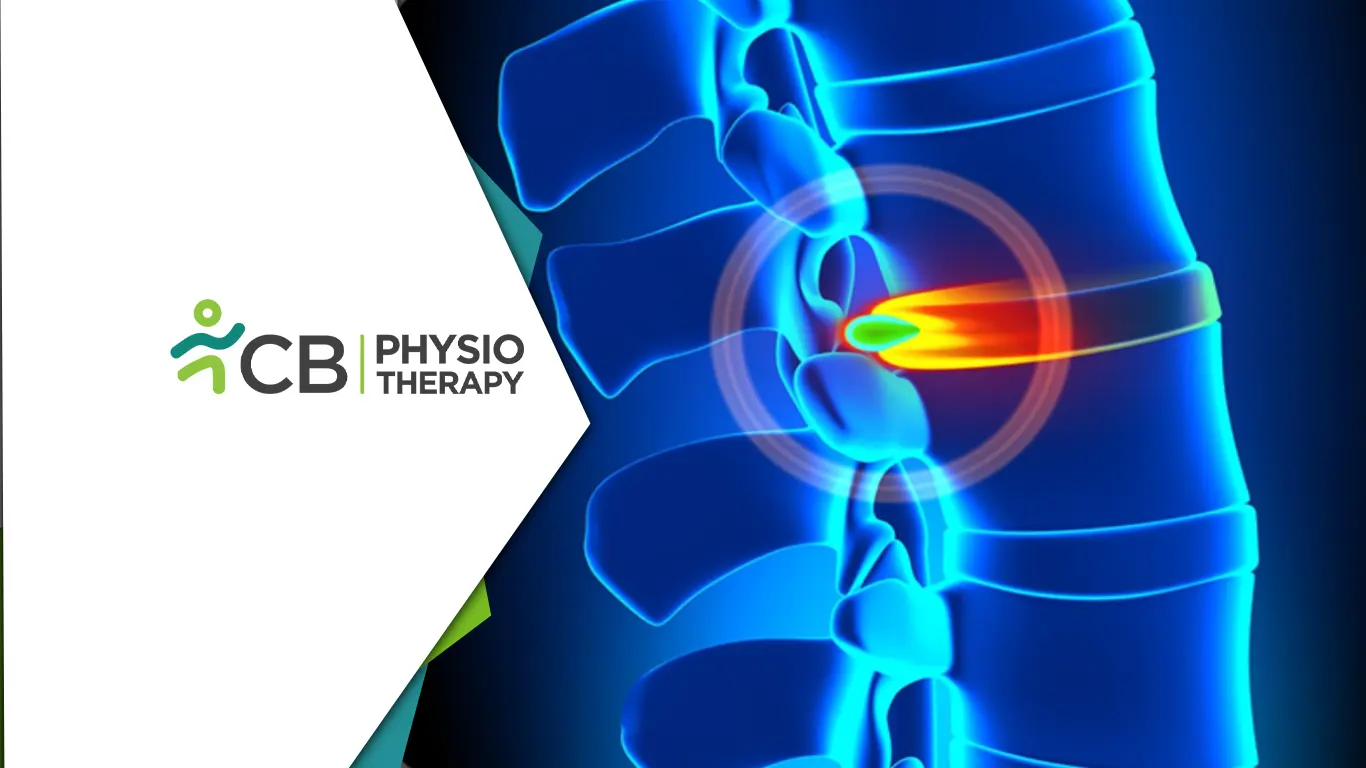
Intervertebral discs, the cushions between your vertebrae, are composed of a
tough outer layer (annulus fibrosus) and a soft, gel-like inner core (nucleus
pulposus). When the annulus fibrosus weakens or tears, the nucleus pulposus can
bulge or rupture, potentially pressing on nearby nerves and causing pain,
numbness, and weakness. This weakening and tearing is often a gradual process,
influenced by several factors:
2. Weakness in Core Muscles: Weak abdominal and back muscles fail to provide adequate support to the spine, increasing the load on the intervertebral discs.
3. Repetitive Movements: Performing the same movements repeatedly, especially those involving twisting or lifting heavy objects, can strain the discs.
4. Lack of Physical Activity: Inactivity leads to muscle weakness, stiffness, and reduced flexibility, making the spine more vulnerable to injury.
5. Obesity: Excess weight adds extra stress to the spine, accelerating disc degeneration.
Preventive Role of Physiotherapy
A well-structured physiotherapy program addresses all these
risk factors, promoting spinal health and significantly reducing the chances of
disc herniation. Here's how:
1. Improving Posture and Body Mechanics:
Physiotherapists teach patients proper posture techniques for sitting, standing, and lifting. This involves correcting postural imbalances, strengthening weak muscles, and learning safe lifting techniques to minimize strain on the spine. They might use ergonomic assessments to tailor advice to your specific workspace and lifestyle.2. Strengthening Core Muscles:
A strong core is the foundation of a healthy spine. Physiotherapists
prescribe exercises that target the deep abdominal muscles (transverse
abdominis) and back muscles, improving spinal stability and reducing the load
on the intervertebral discs. These exercises can range from simple planks and
bridges to more advanced stability ball exercises, tailored to the individual's
fitness level.
3. Enhancing Flexibility and Range of Motion:
Stiffness and reduced flexibility can make the spine
more susceptible to injury. Physiotherapists use techniques like stretching,
mobilization, and manipulation to improve the range of motion in the spine and
surrounding muscles, promoting healthy movement patterns. This helps to
maintain the flexibility of the spine and reduces the risk of sudden strains.
4.
Educating on Ergonomics: Physiotherapists provide guidance on maintaining proper posture and
body mechanics at work and at home. This includes advice on workstation setup,
lifting techniques, and choosing appropriate footwear. By understanding how
daily activities impact the spine, individuals can actively prevent unnecessary
strain.
5. Weight
Management: For
individuals who are overweight or obese, physiotherapy often incorporates
strategies for weight loss. Reducing excess weight significantly lessens the
burden on the spine, reducing the risk of disc herniation and other spinal
problems. This might involve referral to a nutritionist or dietitian, alongside
exercise plans designed to support weight loss goals.
6.
Promoting Physical Activity: Physiotherapists encourage regular physical activity,
focusing on activities that strengthen the core muscles and improve
flexibility, like swimming, yoga, and walking. They create personalized
exercise programs that cater to individual needs and preferences, ensuring
adherence and enjoyment, thus making exercise a sustainable lifestyle change.
7. Early Intervention for Back Pain: Even minor episodes of back pain should not be
ignored. Physiotherapists can provide early intervention to address the
underlying causes of pain, preventing the progression to more serious
conditions like disc herniation. This may involve manual therapy, modalities
like laser, Tens, ultrasound, or heat, and targeted exercises to manage pain and
inflammation.
The preventative role of physiotherapy in reducing the risk of disc herniation cannot be overstated. By addressing the key risk factors – poor posture, weak core muscles, repetitive movements, lack of physical activity, and obesity – physiotherapy empowers individuals to take control of their spinal health.
Instead of waiting for pain to develop, proactive engagement with physiotherapy can be a game-changer, ensuring a healthy and pain-free back for years to come. Remember, prevention is always better than cure, and physiotherapy provides the tools and knowledge to prevent disc herniation before it even begins. Consult a physiotherapist to develop a personalized plan tailored to your specific needs and risk factors.