

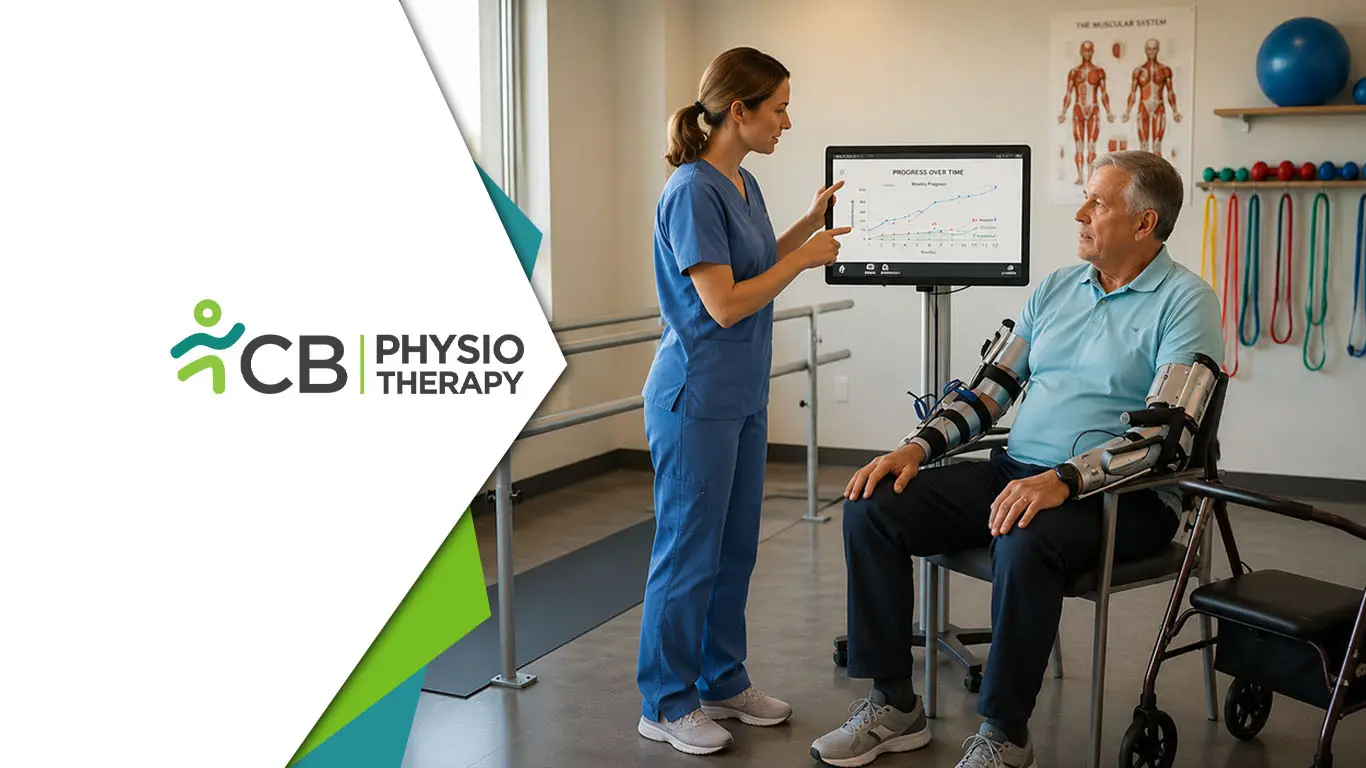
Surgery is often seen as the final step toward recovery. Whether it’s a knee replacement, spinal procedure, ligament repair, or shoulder surgery, many patients believe that once the operation is completed, the problem is solved. However, surgery is only one part of the healing journey. The real recovery begins afterward — and without proper rehabilitation, even a successful surgery can fail to deliver the desired results.
Post-surgical rehabilitation
plays a crucial role in restoring strength, mobility, flexibility, and overall
function. Unfortunately, many patients underestimate its importance, leading to
delayed healing, recurring pain, stiffness, weakness, or even re-injury.
Understanding why rehabilitation matters can help patients avoid long-term
complications and achieve a full recovery.
Surgery Repairs the Structure, Rehabilitation Restores Function
Most surgeries focus on
correcting a structural problem. For example, a torn ligament may be repaired,
a damaged joint replaced, or a fractured bone fixed with implants. While
surgery addresses the physical damage, it does not automatically restore how
the body moves and functions.
After surgery, muscles
often become weak due to inactivity. Joints may stiffen, movement patterns
change, and balance or coordination can decline. Without rehabilitation, the
body struggles to regain normal function. Patients may continue experiencing
difficulty walking, climbing stairs, lifting objects, or performing everyday
activities despite having undergone surgery.
Physiotherapy bridges the
gap between surgical repair and functional recovery. It helps the body relearn
movement safely and effectively.
Muscle Weakness Develops Quickly After Surgery
One of the biggest reasons
recovery fails is muscle loss. Even a few days of reduced activity can cause
muscles to weaken significantly. Following surgery, pain and fear of movement
often make patients avoid using the affected body part.
For example, after knee
surgery, the quadriceps muscles weaken rapidly. If these muscles are not
strengthened through guided rehabilitation, patients may continue experiencing
instability, pain, and difficulty walking for months.
Weak muscles also place
extra stress on joints and surrounding tissues, increasing the risk of future
injuries. Rehabilitation programs are designed to gradually rebuild strength
while protecting healing tissues.
Stiffness and Reduced
Mobility Can Become Permanent
After surgery, scar tissue
naturally forms as part of the healing process. However, without movement and
stretching exercises, excessive scar tissue can limit mobility and flexibility.
Many patients avoid
movement because they fear pain or damaging the surgical area. Unfortunately,
prolonged immobility often creates more problems. Joints become stiff, muscles
tighten, and movement becomes increasingly difficult.
For instance, shoulder
surgery patients who skip rehabilitation frequently struggle with frozen
shoulder or limited arm movement. Similarly, patients recovering from spinal
surgery may develop chronic stiffness that affects posture and mobility.
Early and controlled
physiotherapy helps maintain joint mobility, reduce stiffness, and improve
flexibility during the healing process.
Pain Does Not Always Mean
Healing Is Complete
A common mistake patients
make is assuming that reduced pain means full recovery. In reality, pain relief
is only one aspect of healing. The body may still have weakness, poor balance,
reduced endurance, or improper movement patterns.
Without rehabilitation,
patients often return to normal activities too quickly. This increases the risk
of re-injury or complications. For example, someone recovering from ACL surgery
may feel pain-free but still lack the strength and stability needed for sports
or intense physical activity.
Rehabilitation ensures
that recovery progresses safely through different stages, preparing the body
for everyday demands and preventing setbacks.
Poor Rehabilitation
Increases the Risk of Complications
Skipping or delaying
rehabilitation can lead to several post-surgical complications, including:
·
Chronic pain
·
Joint stiffness
·
Muscle wasting
·
Poor posture
·
Reduced balance and coordination
·
Blood circulation problems
·
Delayed healing
·
Re-injury
·
Dependency on pain medications
In some cases, inadequate
recovery may even require additional medical treatment or revision surgery.
Proper physiotherapy helps
improve blood circulation, reduce swelling, restore movement, and prevent
secondary complications that may develop after surgery.
Every Surgery Requires a
Personalized Recovery Plan
No two patients recover in
the same way. Factors such as age, overall health, fitness level, type of
surgery, and lifestyle all influence recovery speed and outcomes.
A structured rehabilitation
program is tailored to each individual’s condition and recovery goals.
Physiotherapists carefully monitor healing progress and adjust exercises
accordingly. This personalized approach ensures safe recovery while minimizing
unnecessary strain on healing tissues.
Patients who attempt
self-recovery without professional guidance often perform incorrect exercises
or progress too quickly, which can delay healing instead of improving it.
Mental and Emotional
Recovery Matters Too
Surgery affects not only
the body but also the mind. Many patients experience frustration, anxiety, fear
of movement, or lack of confidence during recovery. Pain and physical
limitations can impact emotional well-being and reduce motivation to stay
active.
Rehabilitation provides reassurance,
structure, and professional support throughout the healing journey. As patients
regain strength and mobility, their confidence improves, helping them return to
daily life with greater independence.
Rehabilitation Is an
Investment in Long-Term Health
Successful recovery is not
measured only by whether surgery was completed. True recovery means returning
to normal activities without pain, weakness, or physical limitations.
Rehabilitation is
essential for restoring movement, rebuilding strength, improving flexibility,
and preventing future problems. Patients who commit to proper physiotherapy
after surgery typically recover faster, regain better function, and experience
improved long-term outcomes.
Ignoring rehabilitation
may save time temporarily, but it often leads to prolonged discomfort, poor
mobility, and incomplete recovery.
Surgery alone is rarely
enough to restore full health and function. Without proper rehabilitation, the
body may never fully recover from the physical stress of surgery. Weakness,
stiffness, pain, and movement limitations can persist long after the surgical
wound has healed.
Physiotherapy plays a
vital role in helping patients regain strength, mobility, balance, and
confidence after surgery. A structured rehabilitation program not only speeds
up recovery but also reduces complications and improves overall quality of
life.
If you or a loved one is
recovering from surgery, remember that healing does not end in the operation
theatre. Rehabilitation is the key to turning a successful surgery into a
successful recovery.