Lipedema
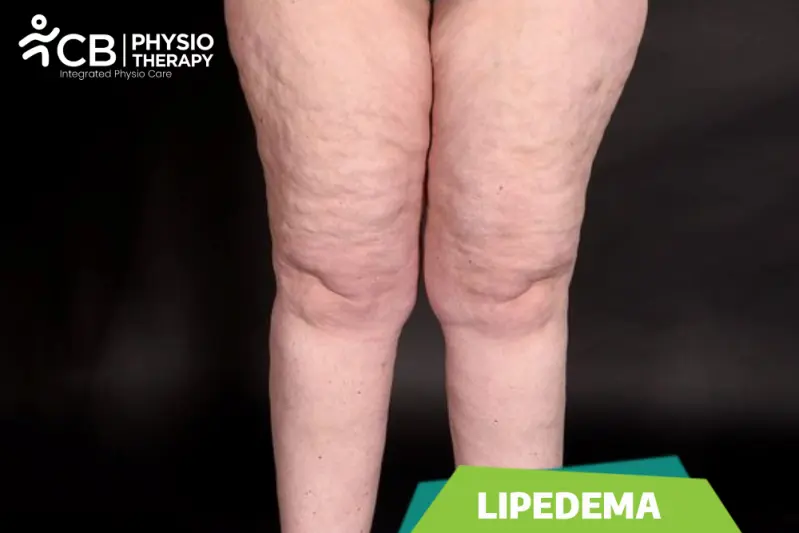
is a chronic, progressive disorder of fat metabolism that primarily affects
women and is characterized by a symmetrical and disproportionate accumulation
of fat, typically in the lower limbs (hips, thighs, buttocks, and legs) and
sometimes in the arms. This fat distribution usually spares the hands and feet
and is often associated with pain, tenderness, easy bruising, and swelling that
does not respond to diet or exercise. The condition is believed to have a
hormonal and genetic component and is often misdiagnosed as simple obesity or
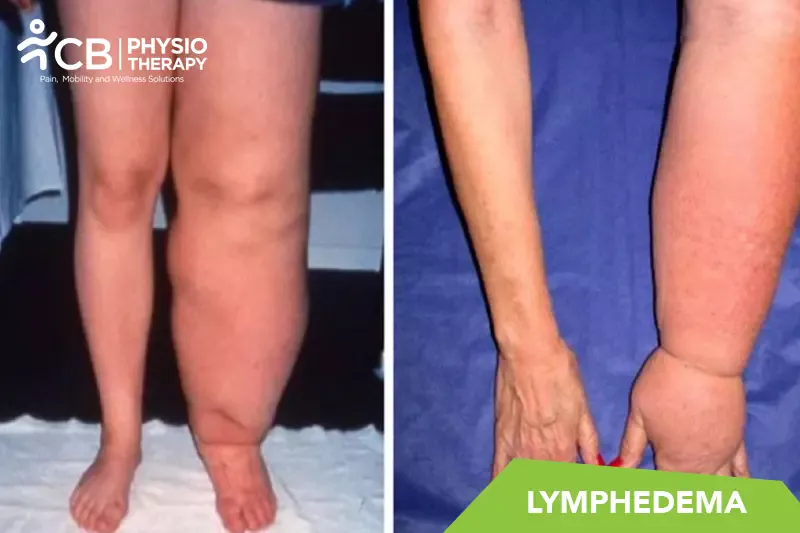
lymphedema.
It
may worsen over time and can significantly impact mobility and quality of life
if not properly managed.
Mentioned
below are the common symptoms of Lipedema:
1. Disproportionate
fat accumulation
Excess
fat mainly in the hips, thighs, buttocks, and legs (sometimes arms), with the
feet and hands typically spared.
2. Symmetrical
fat distribution
Both
sides of the body are affected equally.
3. Painful
fat
The
affected areas are often painful or tender to touch, even without pressure.
4. Easy bruising
The skin bruises easily due to fragile blood
vessels in the fat tissue.
5. Swelling (edema)
Legs or arms may swell, especially as the day
progresses, often worsening with prolonged standing or sitting.
6. Skin changes
Skin over the affected areas may feel soft,
cool, and have a dimpled or nodular ("orange peel") texture.
7. Fat that is resistant to diet and exercise
The fat deposits do not reduce significantly
with weight loss efforts.
8. Restricted mobility
Heaviness and discomfort can lead to
difficulty in walking or standing for long periods.
9. Emotional distress
Body image concerns and chronic discomfort
often lead to depression, anxiety, or social withdrawal.
10. Progressive worsening
Without treatment, the condition may progress over time, sometimes leading to secondary lymphedema (known as lipo-lymphedema).
The
exact cause of lipedema is not fully understood, but several contributing
factors have been identified. These include:
1. Hormonal
Factors
Lipedema
almost exclusively affects women and often begins or worsens during times of hormonal
change such as:
b. Pregnancy
c, Menopause
This
suggests a strong hormonal influence, particularly involving estrogen.
2. Genetic
Predisposition
Lipedema
often runs in families, indicating a hereditary component. Up to 60% of
patients report a family history of similar symptoms.
3. Microvascular
Dysfunction
Dysfunction
in small blood vessels and capillaries may contribute to increased leakage of
fluid and fragile blood vessels, leading to fat accumulation and bruising.
4. Connective
Tissue Disorders
Some
researchers suggest that abnormalities in connective tissue may play a role,
affecting the structure and function of the fat and lymphatic systems.
5. Lymphatic
System Involvement (Secondary)
Although
lipedema is distinct from lymphedema, in later stages, impaired lymphatic
drainage may develop (called lipo-lymphedema), worsening swelling and symptoms.
6. Inflammation
Chronic
low-grade inflammation may be present in lipedematous tissue, contributing to
pain and progression of the disease.
Here
is a list of commonly used diagnostic techniques for lipedema:
1. Clinical
Examination:
This
is the primary method of diagnosing lipedema.
Visual inspection and palpation of fat
distribution (especially legs, hips, buttocks, arms).
Noting symmetry, tenderness, and easy
bruising.
Assessing if hands and feet are spared
(important to differentiate from lymphedema).
Checking for non-pitting edema and pain on
pressure.
2. Detailed
Medical History:
Onset during puberty, pregnancy, or menopause.
Family history of similar symptoms.
History of diet-resistant fat gain in specific
areas.
Symptoms such as pain, swelling, and easy
bruising.
3. Stemmer’s
Sign Test:
A simple test to differentiate lipedema from
lymphedema.
If you can pinch and lift a fold of skin at
the base of the second toe/finger, Stemmer’s sign is negative, which supports
lipedema.
A positive Stemmer's sign (inability to pinch
skin) suggests lymphedema.
4. Imaging
Techniques
Used
to rule out other conditions or support the diagnosis.
a)
Ultrasound (Sonography)
Can show abnormal fat structure and fluid
retention.
Helps rule out venous insufficiency.
b)
MRI or CT Scan
Provides a detailed view of fat and soft
tissue distribution.
Can differentiate normal vs. pathological fat.
c)
Lymphoscintigraphy
A nuclear imaging test used if lymphatic
involvement is suspected.
Often normal in early lipedema, but can show
changes if lipo-lymphedema has developed.
5. Body
Composition Analysis
Measures fat distribution and volume.
Can support diagnosis, especially when
combined with clinical findings.
Medication:
Ibuprofen,
naproxen, paracetamol, pregabalin, gabapentin, etc
[Note:
Medication should not be taken without the doctor’s prescription.]
Physiotherapy plays a key role in the conservative management of lipedema. While it cannot eliminate the abnormal fat deposits, it helps manage pain, swelling, reduced mobility, and fatigue, and improves functional ability and quality of life.
1. Transcutaneous Electrical Nerve Stimulation (TENS):
TENS is used to
reduce pain, by stimulating the release of endorphins.
2. Interferential Therapy (IFC):
IFC stimulates deeper tissues,
reducing pain and inflammation.
Therapeutic Ultrasound helps to
generate heat and promote tissue healing.
4. Manual Lymphatic Drainage (MLD)
a. A gentle, rhythmic massage to stimulate the
lymphatic system
b. Reduces fluid retention, pain, and tightness
c. Usually done 2–5 sessions/week depending on
stage
d. Can be taught to the patient for self-MLD
5. Compression Therapy
Use of medical-grade compression garments
(stockings, sleeves)
Prevents fluid buildup, supports tissues,
reduces discomfort
6. Exercise Therapy
A.
Low-Impact Cardiovascular Exercise
To
stimulate lymphatic flow and improve circulation:
a. Aquatic therapy (swimming, walking in water)
b. Cycling (stationary or regular)
c. Brisk walking
d. Rebounding (mini trampoline) – if tolerated
B.
Resistance Training
a. Builds muscle tone and improves function
b. Focus on lower limbs and core
c. Use light weights or resistance bands
C.
Stretching and Mobility
a. Gentle
stretching of calves, hamstrings, and hips
b. Improves
flexibility and reduces stiffness
7. Lymphatic
Taping (Kinesio Taping)
a. Special
taping technique used to:
b. Support lymph drainage
c. Reduce pain and heaviness
d. Improve movement awareness
8. Education & Self-Management Training
a. Posture correction and body mechanics
b. Importance of regular movement, especially in
sedentary jobs
c. Skin care to prevent infections (like
cellulitis)
d. Teaching self-MLD and home exercises
e. Encouraging consistent use of compression
garments
9. Psychological and Behavioral Support
a. Physiotherapists
can help identify:
b. Anxiety, low mood, or body image distress
c. Refer to psychological or support services
d. Encourage group exercise or support group
participation