icon-phone icon-whatsapp

Interventional Pain Management, also known as pain medicine, focuses on diagnosing and treating pain at its source through targeted, minimally invasive procedures. Rather than relying only on medications, this approach identifies the exact structure responsible for pain—such as an irritated nerve, inflamed joint, or herniated disc—and treats it directly. Techniques like image-guided injections, nerve blocks, and radiofrequency ablation are used to reduce inflammation, calm nerve irritation, and interrupt pain signals.

It is commonly recommended for chronic back pain, neck pain, sciatica, joint pain, and neuropathic pain that does not respond to conservative treatment. The objective of interventional pain management is not just short-term relief, but sustained pain reduction and functional recovery. By combining precision pain procedures with structured rehabilitation, it provides a comprehensive, non-surgical solution for long-term pain management and improved quality of life.

Interventional pain management is typically recommended for chronic or severe pain that persists despite conservative treatment.

You may need specialized pain management treatment if you experience:

  • Persistent back pain, neck pain, or knee pain lasting more than 6 weeks

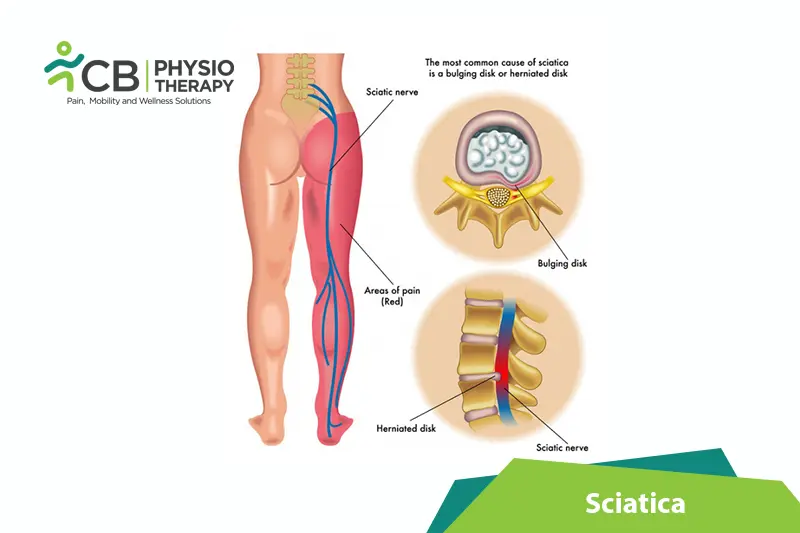
  • Radiating pain into the arms or legs, such as sciatica

  • Burning, tingling, or numbness, suggesting nerve involvement

  • Pain not responding to medications or standard physiotherapy

  • Pain interfering with sleep, work, or daily activities

  • Restricted mobility or stiffness limiting normal movement

In such cases, precision-based pain medicine procedures can help address the root cause and support long-term functional recovery.

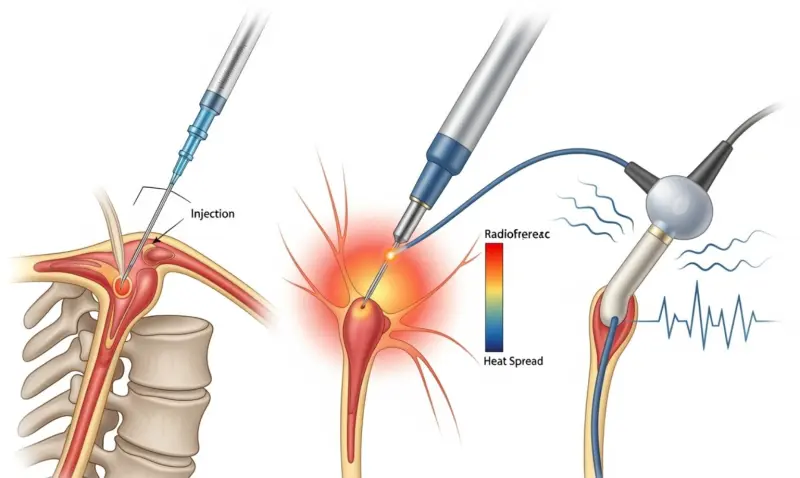
Interventional pain procedures, commonly referred to as pain injections, are minimally invasive treatments designed to target the exact source of pain. These procedures are performed under ultrasound or fluoroscopic guidance to ensure precision and safety. Unlike oral medications that act systemically, pain injections deliver medication directly to the inflamed nerve, joint, or spinal structure—providing focused, non-surgical pain relief.

Below are some of the most commonly performed pain management procedures:

  • Epidural Steroid Injections (Spine Pain Injections) – Used to relieve back pain, neck pain, and sciatica caused by nerve inflammation or disc problems.

  • Facet Joint Injections – A targeted injection for chronic neck pain or lower back pain arising from spinal joints.

  • Nerve Block Injections – Diagnostic and therapeutic pain injections that interrupt pain signals from specific nerves.

  • Radiofrequency Ablation (RFA) – A longer-lasting treatment that deactivates pain-transmitting nerves after successful diagnostic injections.

  • Trigger Point Injections – Muscle pain injections used to release tight knots contributing to chronic muscular pain.

  • PRP Injections (Regenerative Pain Therapy) – Platelet-rich plasma injections that support tissue healing in joints and soft tissues.

  • Ultrasound-Guided Joint Injections – Precision injections for knee pain, shoulder pain, and hip pain due to inflammation or arthritis.

These pain injections are often integrated with structured rehabilitation to promote long-term recovery, improve mobility, and reduce dependency on long-term medication.

For chronic back pain, neck pain, knee pain, or nerve-related pain, treatment typically falls into three categories depending on severity and cause.

  • Physical Rehabilitation (Physiotherapy)
    First-line treatment for mild to moderate pain. Focuses on restoring mobility, correcting muscle imbalances, and improving strength.

  • Interventional Pain Management (Pain Medicine)
    Used when pain persists despite rehab. Includes targeted pain injections and minimally invasive procedures to treat inflamed nerves or joints directly.

  • Surgery
    Reserved for structural damage or significant nerve compression when non-surgical options are ineffective.

Most patients start conservatively, escalate to pain procedures if needed, and consider surgery only when clearly indicated.

The duration of pain relief depends on the condition being treated and the type of procedure performed:

  • Epidural steroid injections may provide relief for several weeks to a few months.

  • Facet joint injections or nerve blocks can offer temporary relief and help confirm the pain source.

  • Radiofrequency ablation (RFA) may provide longer-lasting relief, often 6–12 months or more.

  • Regenerative injections (such as PRP) aim to support tissue healing, with gradual improvement over weeks.

Interventional pain procedures and pain injections are generally considered safe when performed by trained specialists under image guidance (ultrasound or fluoroscopy). Because the medication is delivered precisely to the affected nerve, joint, or spine structure, the risk of systemic side effects is lower compared to long-term oral medication use. Mild soreness at the injection site may occur temporarily, while serious complications are uncommon when proper protocols are followed.

At CB Physiotherapy, pain injections are considered only after a thorough assessment of the condition and its severity. We prioritize structured physical rehabilitation as the first-line treatment.Only when conservative rehab does not provide adequate relief, or when nerve or joint pathology limits recovery, we refer patients to our pain medicine specialists for targeted, image-guided pain injections.

These procedures are integrated with ongoing rehabilitation to ensure not just pain relief, but long-term functional recovery through a coordinated, multidisciplinary approach.
Interventional Pain Management Physiotherapy Nearby

Select your City to find & connect with our experts regarding Physiotherapy for Interventional Pain Management