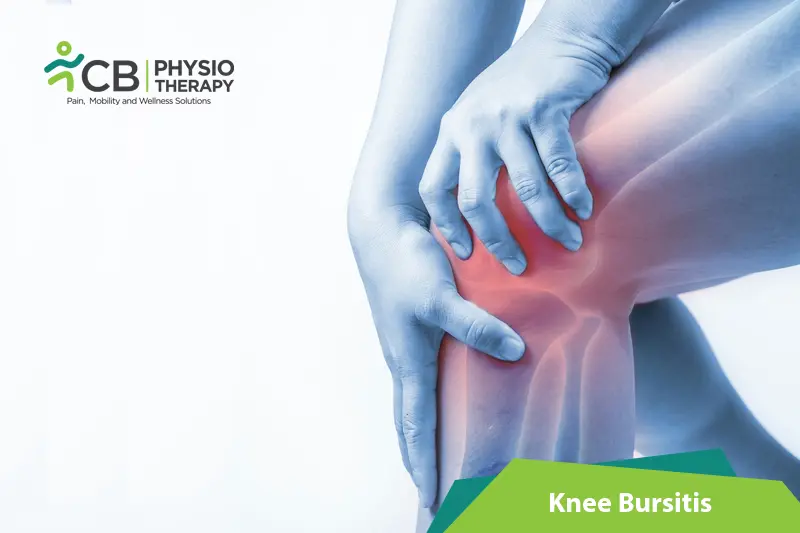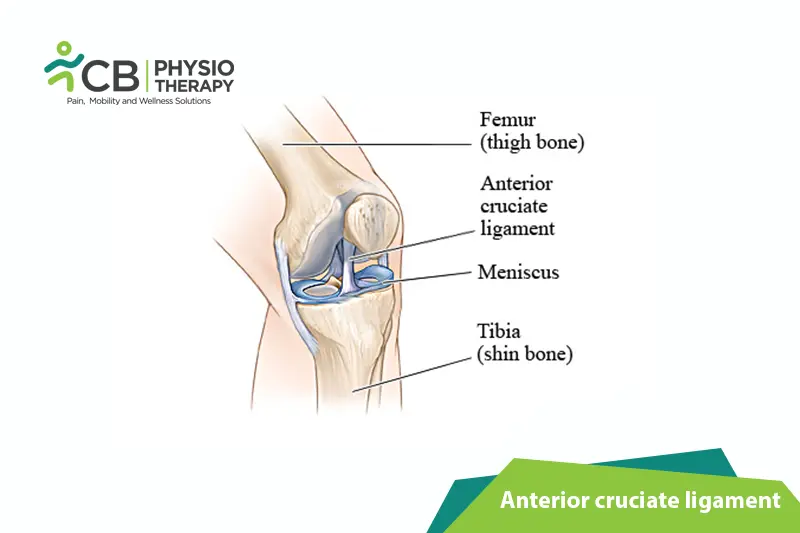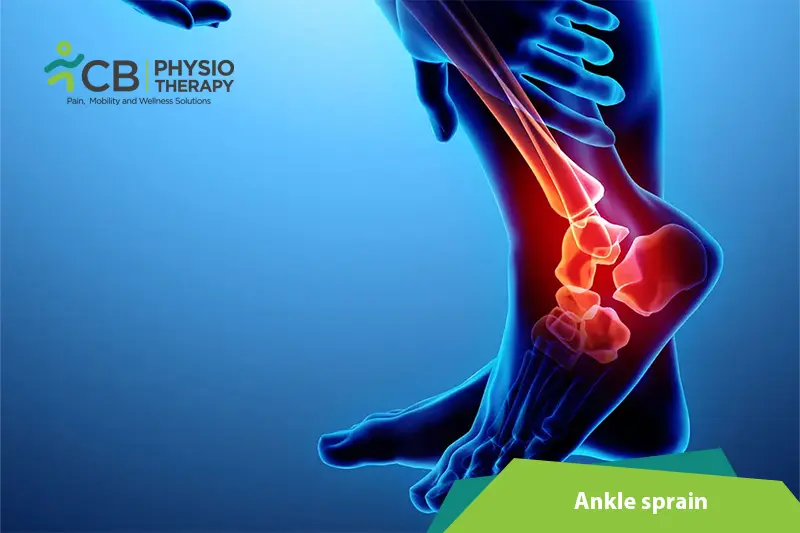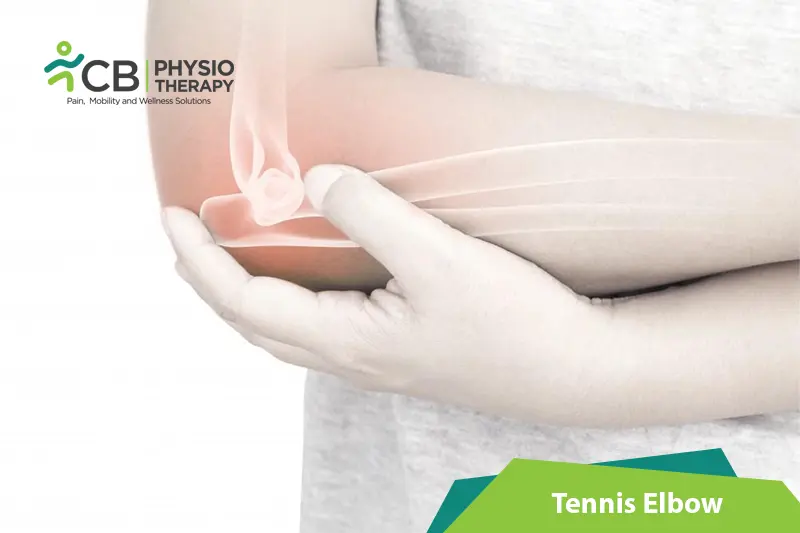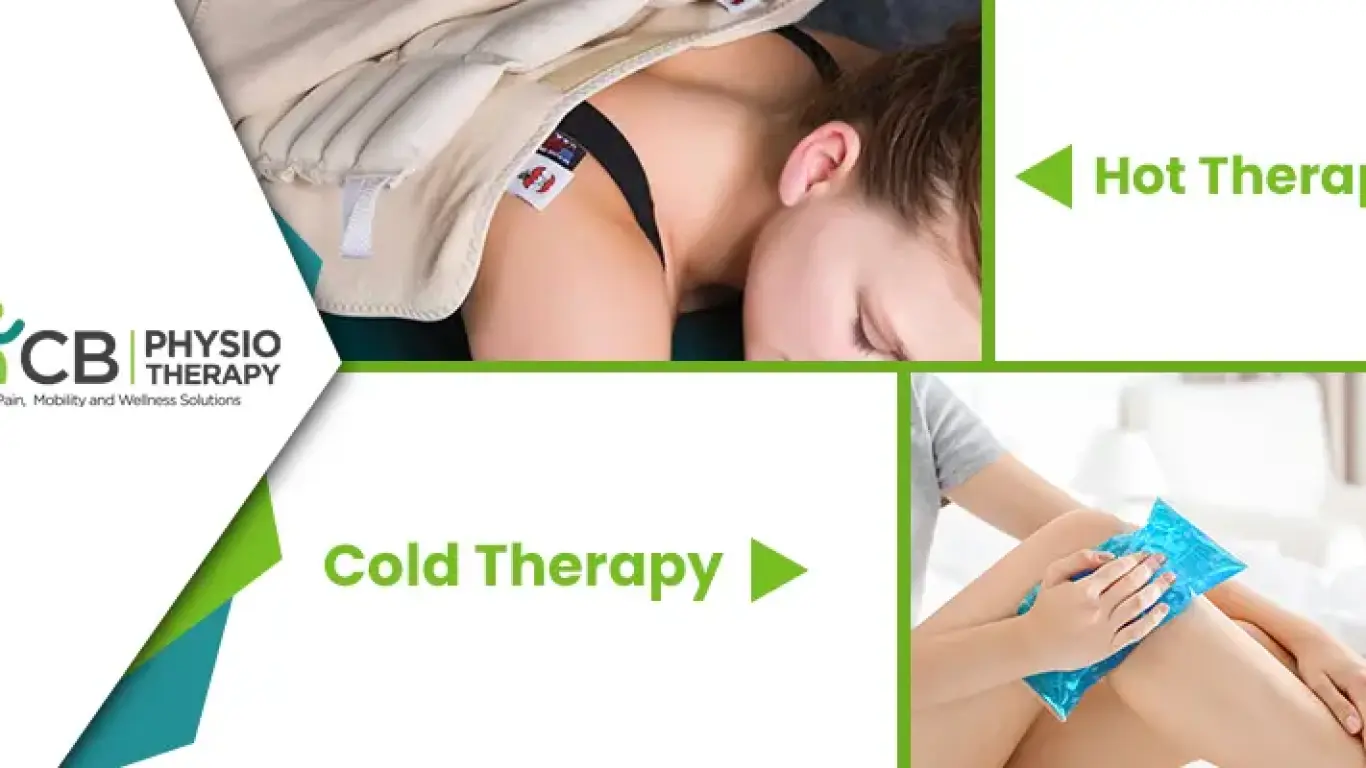
Cryotherapy, or cold therapy, is a widely used technique in physiotherapy to manage pain, swelling, and inflammation. By lowering tissue temperature, it helps reduce pain signals, ease muscle spasms, and support faster healing. It is equally effective for orthopedic conditions such as arthritis, joint pain, and post-surgical swelling, as well as for sports recovery, where it helps athletes recover from injuries, training fatigue, and muscle soreness.
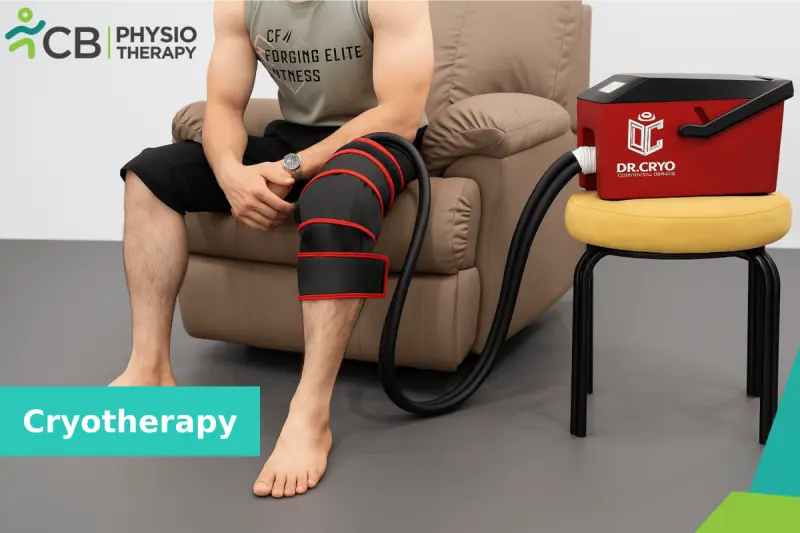
At CB Physiotherapy centers in Delhi, we offer advanced Cryo-Compression Therapy (Cryo-Push), which combines cooling with controlled compression for enhanced results. This modern therapy provides targeted relief for both chronic pain patients and active individuals, making recovery faster, more comfortable, and clinically effective.
Cryotherapy uses controlled cooling to lower the temperature of tissues just under the skin. This triggers temporary vasoconstriction (narrowing of small blood vessels), slows the rate at which pain nerves carry signals, and reduces the local metabolic demand of irritated tissues. It leads to less pain and swelling, eased muscle tension, and a comfortable, confident start to gentle exercises. Cryo-compression uses cold with pressure to push extra fluid away and reduce swelling faster—especially helpful after surgery or any sports injury.
-
How it helps:
-
When blood vessels narrow, less fluid leaks into the area, so swelling decreases.
-
Slower nerve activity means fewer pain signals, so movement becomes easier.
-
Lower tissue “energy use” protects irritated tissues in the early phase.
-
Muscles relax, making it easier to begin range-of-motion and activation work.
-
Core techniques:
-
Cryo-Compression (Cryo-Push): cooling + graded compression to control swelling & pain, ideal for post-op and acute sports injuries.
-
Cold Gel Packs (with towel barrier): 10–15 min targeted cooling to calm inflamed tissues.
-
Ice Massage (localized): 5–7 min circular strokes for focal hotspots (e.g., tendinopathy flares).
-
Cold Wraps/Straps: easy at-home maintenance between sessions with clear timing & skin-check steps.
Session flow:
-
Quick assessment – pain/swelling, ROM, skin sensation, contraindications.
-
Precise dosing – usually 10–15 min, skin checked every 5 min, never ice directly on skin.
-
Positioning – joint/soft-tissue placed for best contact & comfort.
Elevated with supportive tech:
Cryo-Push cold compression: a device that cools the area and gently squeezes it, so swelling decreases than with a regular ice pack.
-
Compression sleeves/wraps: promote venous/lymphatic return for quicker recovery.
Integrated care (for lasting results):
-
Pair with Exercise Therapy (activation → strength), Manual Therapy (mobilizations/soft tissue).
-
Transition from symptom relief → ROM, balance, strength, function.
Best for: acute sprains/strains, post-surgical swelling, irritable tendinopathies, and athletic recovery. Available at our South Delhi clinics (Saket • GK-2 • Safdarjung • Vasant Kunj) and via home physiotherapy in Delhi.
Cryotherapy is safe when timed and layered correctly (towel barrier, 10–15 min, skin checks). Mild redness or temporary numbness can occur and usually settles quickly. Stop if you feel excessive numbness, see mottled/blue skin, or pain increases, and inform your physiotherapist.
When Cryotherapy Is Not Advised (Contraindicated)
Avoid cryotherapy unless your clinician specifically clears it:
-
Cold allergy / Raynaud’s disease / cold urticaria.
-
Severe poor circulation or arterial insufficiency (peripheral vascular disease).
-
Markedly reduced or absent skin sensation (e.g., advanced diabetic neuropathy).
-
Over regenerating peripheral nerves.
-
Open wounds or very fragile skin in the early phase.
When Cryotherapy May Be Used With Caution
Use only under a physiotherapist’s guidance and monitor closely:
-
History of cardiac ischemia or angina — keep applications small, local, and short; monitor.
-
Mild sensory changes — check skin every 5 minutes; stop if numbness or color change.
-
Immediately before high-risk activity — time the session so normal sensation returns before activity.
General safety: use a towel barrier, limit to 10–15 minutes, check the skin at 5 minutes, and stop if you notice excessive numbness, mottled/blue skin, or increasing pain.
Cryotherapy can be tailored for athletes, rehab patients, and everyday pain, especially in the early/irritable phase of an injury or flare-up.
🏃 Athletes & Fitness Enthusiasts – acute sprains/strains, post-workout soreness (DOMS), quick swelling control after training or games.
⚽ Sports Injuries – ankle/knee/shoulder swelling, contusions, muscle pulls; helps create a pain-free window to start rehab.
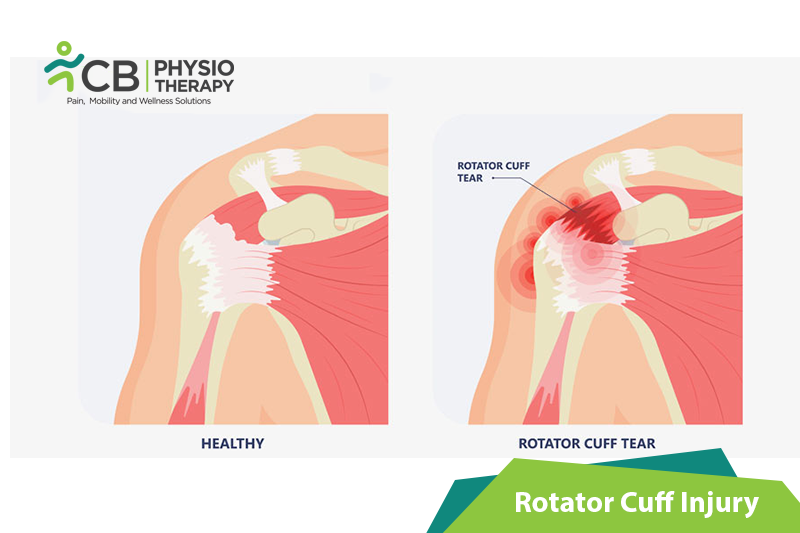
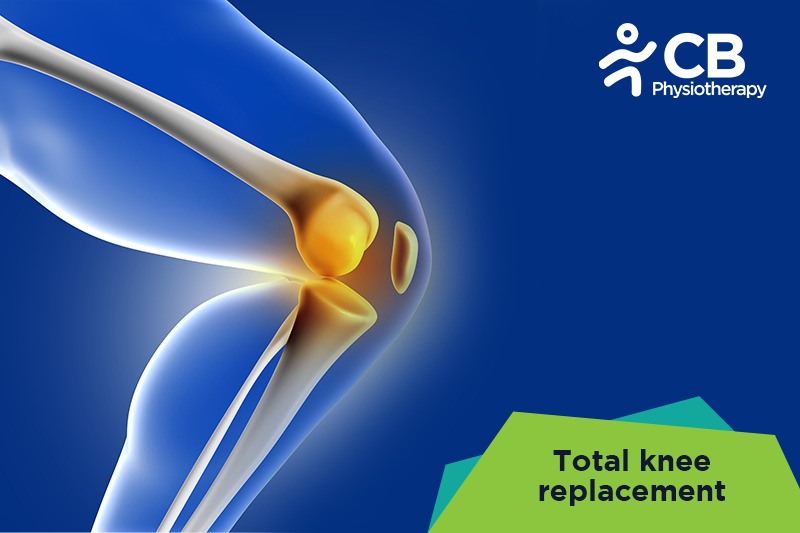
🦵 Post-Surgical Patients – early edema & pain control after knee/shoulder/ankle procedures (under surgeon/physio guidance).
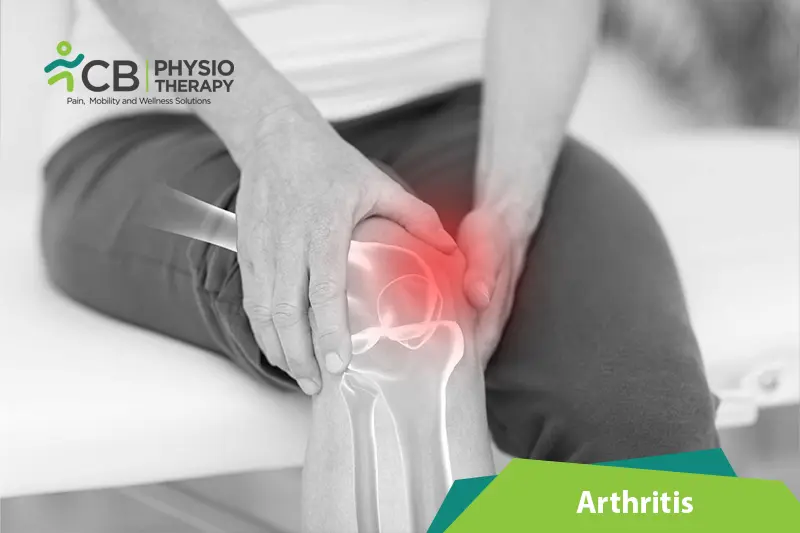
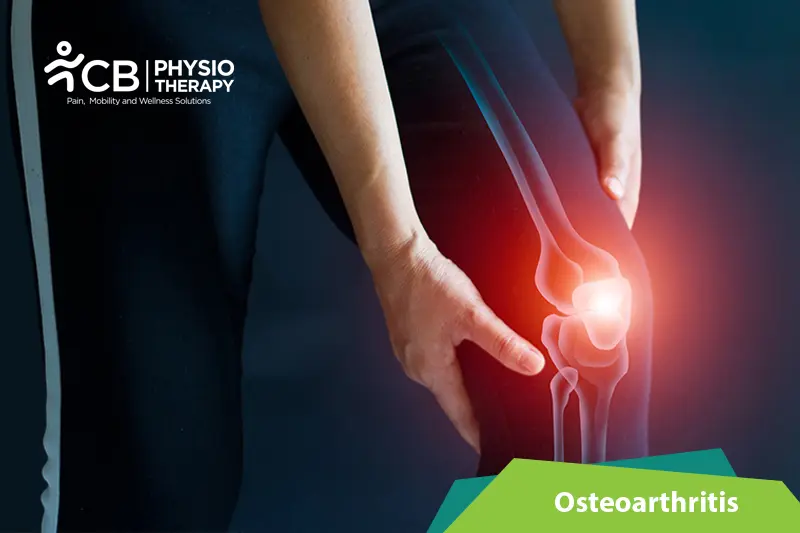
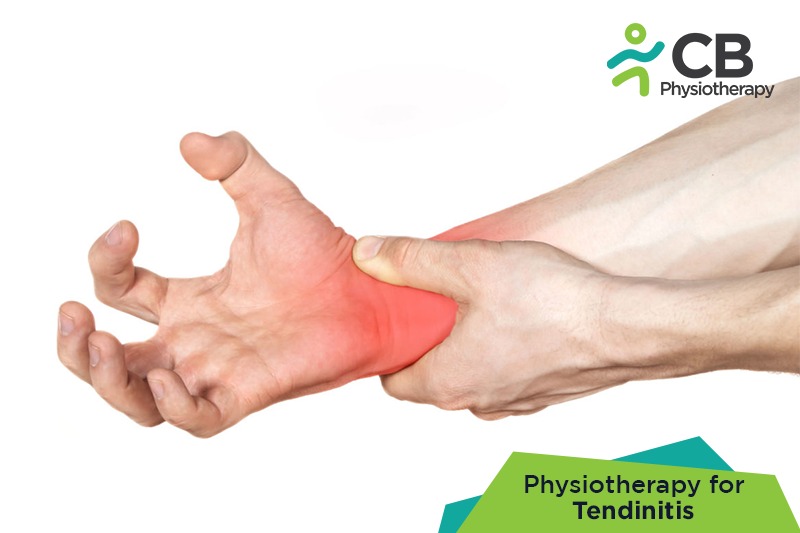
🦴 Orthopedic Conditions – irritable phases of arthritis, tendinopathy flare-ups, and overuse pain.
💼 Working Professionals – acute neck/back flare after long sitting or travel; settles symptoms so exercises can begin.
👵 Seniors – gentle symptom relief during inflammatory episodes, paired with safe mobility plans.
🏠 Home-Bound Patients – simple, supervised cold routines for those starting with home physiotherapy.
At CB Physiotherapy, every cryotherapy session is a short, safe cooling step to reduce pain and swelling and prepare you for rehab.
Assessment – quick check of pain, swelling, skin sensation, and any safety concerns
Application – Cryo-Compression (Cryo-Push) or a cold pack with a towel layer; limb positioned comfortably, often slightly elevated
Timing – typically 10–15 minutes per area with a skin check at 5 minutes
After-effects – mild redness or brief numbness that settles in 15–30 minutes; stop and tell us if it feels too numb, turns mottled/blue, or pain increases
Duration – cryotherapy is a part of your 40–50 minute physiotherapy session