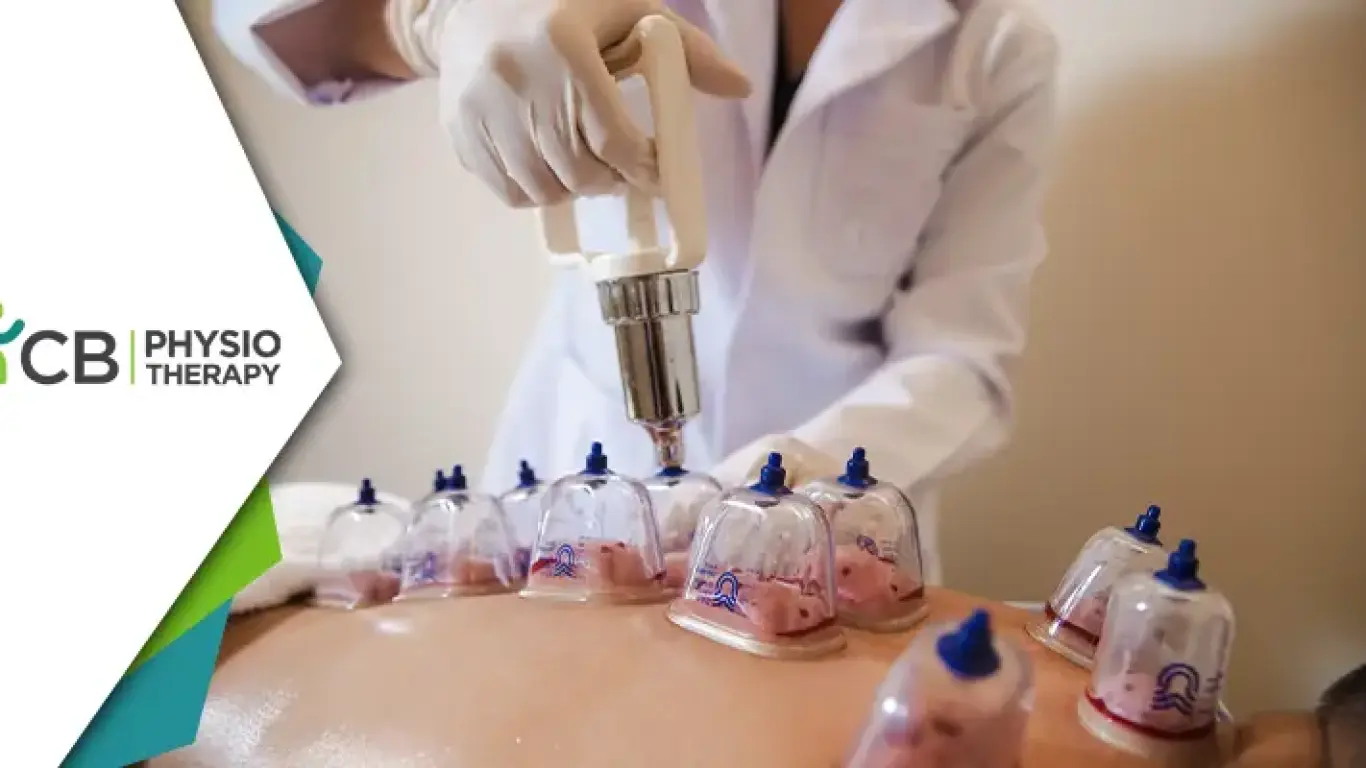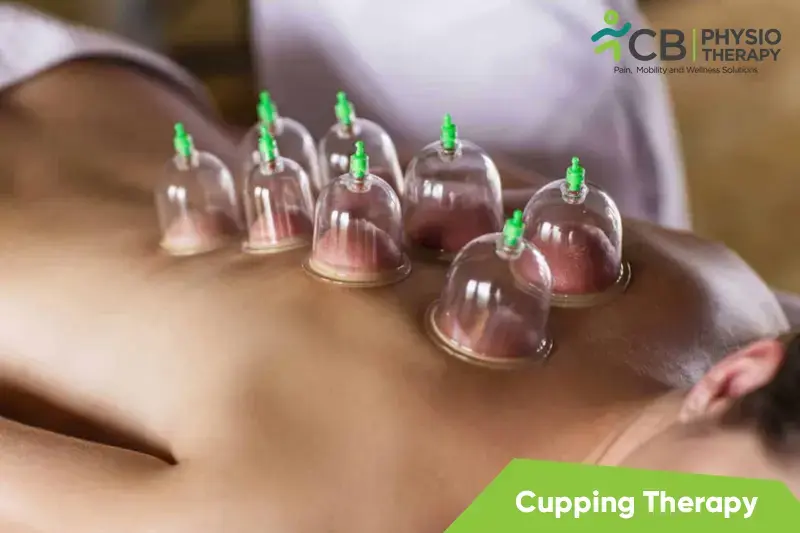
Cupping Therapy is an ancient healing practice that has found a strong place in modern physiotherapy and sports recovery. It involves placing special cups on the skin to create suction, which helps increase blood circulation, release tight muscles, and promote faster healing. Dry & Wet Cupping ( HIjama ) are most commonly used types of cupping.
Today, physiotherapists use cupping as part of rehabilitation programs for chronic pain, orthopedic conditions, mobility improvement, and athletic recovery. Unlike traditional methods, cupping at CB Physiotherapy is applied in a controlled, safe, and evidence-based way.
There are multiple forms of cupping therapy, each designed
to achieve specific therapeutic goals.
Dry Cupping
This is the most common form, where suction is applied
without any incisions. It is used for pain relief, relaxation, and to reduce
muscle tightness.
Wet Cupping (Hijama)
Involves controlled release after suction. It is believed to
help with detoxification and inflammation management. While used sparingly in
physiotherapy, it remains popular in traditional medicine.
Fire Cupping
Here, heated cups are applied to the skin to create deeper
suction. This method enhances circulation, helps with muscle stiffness, and
induces relaxation.
Ice Cupping
Combines cold therapy with suction. It is effective in
controlling swelling, inflammation, and post-injury pain, especially in
acute sports injuries.
Cupping Massage
Cups are moved across the skin with oils, combining suction
with massage-like effects. It improves relaxation, lymphatic drainage, and deep
tissue recovery.
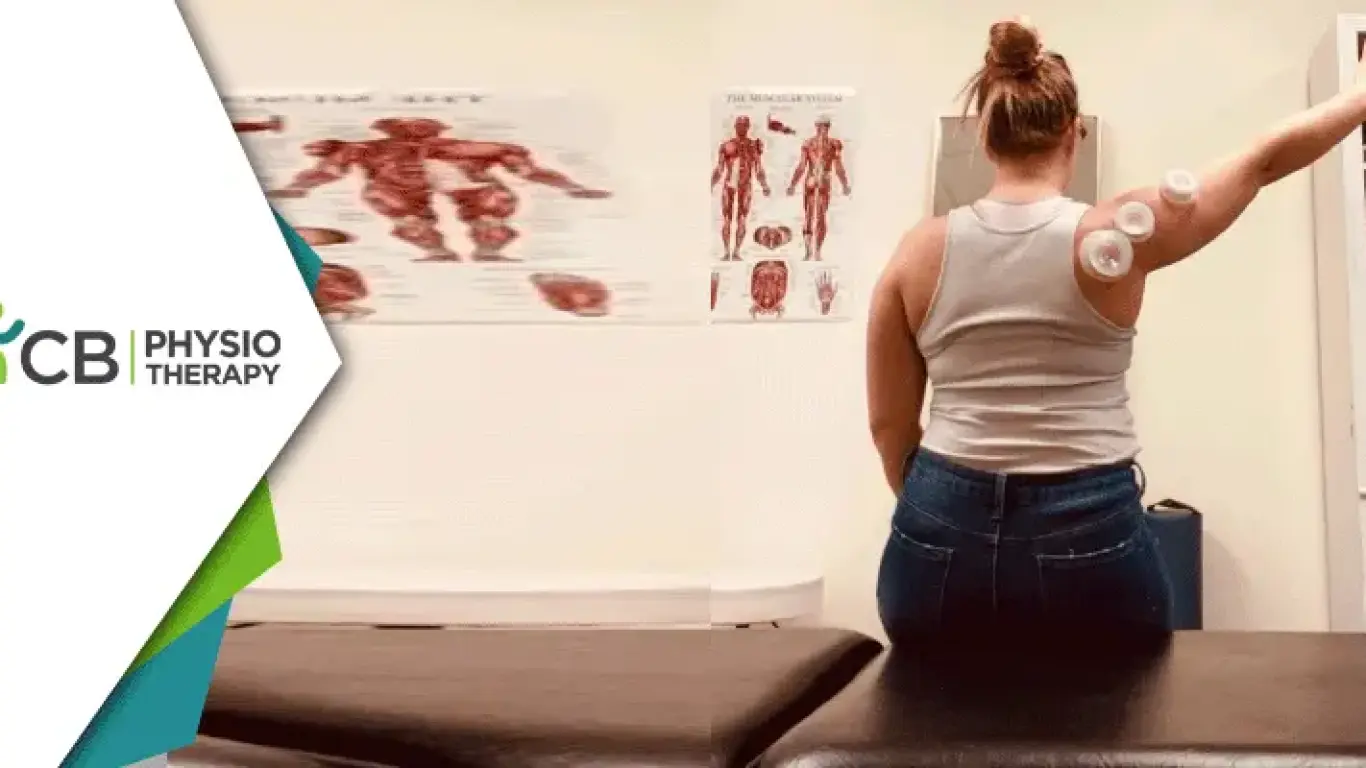
Dynamic / Functional Cupping
Cups are applied while the patient performs guided exercises
or stretches. This is widely used in sports physiotherapy to improve
flexibility, break fascial adhesions, and enhance functional performance.
Cupping is often recommended as a complementary therapy for the following conditions:
✅ Relieves pain from back, neck,
shoulders, and joints
✅ Reduces swelling and
inflammation in muscles and tissues
✅ Improves circulation and oxygen
supply for faster healing
✅ Releases fascia and loosens
stiff muscles
✅ Enhances relaxation and stress
relief
✅ Promotes sports recovery and
injury prevention
✅ Supports mobility and
flexibility in daily life and athletics
Yes. When performed by trained physiotherapists, cupping therapy is safe, hygienic, and effective. Side effects are minimal and temporary, such as mild bruising or redness.
Cupping is not recommended for:
-
Patients with bleeding disorders
-
Severe skin conditions or infections like Eczema and Psoriasis etc.
-
Pregnant women (without medical clearance)
Athletes and active individuals increasingly use cupping therapy for faster recovery and performance optimization. It:
-
Speeds up clearance of metabolic waste after intense workouts
-
Reduces muscle soreness and stiffness (DOMS)
-
Improves range of motion and flexibility
-
Aids in quick rehabilitation after injuries
-
Restores energy and reduces fatigue
This is why many elite athletes use cupping therapy regularly as part of their training and recovery regimen
Cupping alone is effective, but its results are amplified when integrated with other physiotherapy treatments:
-
Manual Therapy & Mobilizations – restore normal joint mechanics
-
Electrotherapy (TENS/IFT/Ultrasound) – target pain and tissue healing
-
Cryotherapy or Heat Therapy – manage inflammation or stiffness
-
Exercise Therapy – build long-term strength, mobility, and recovery
This multi-modality approach ensures patients not only get immediate relief but also long-term benefits
Assessment – your physiotherapist identifies target areas.
-
Application – cups are placed for 5–15 minutes, static or with movement.
-
Experience – a mild suction/pulling sensation, sometimes warmth or cooling depending on the method.
-
After-effects – temporary marks or mild bruising that fade naturally within a week.
Most patients experience noticeable improvement after just a few sessions.
Cupping Therapy is a versatile and effective technique for pain management, mobility improvement, and sports recovery. With multiple approaches—dry, wet, fire, ice, massage, and dynamic cupping—it can be customized to each patient’s needs.
At CB Physiotherapy, we combine cupping with evidence-based physiotherapy modalities to ensure faster, safer, and long-lasting results.